An Interior Designer’s Guide to Window Treatments
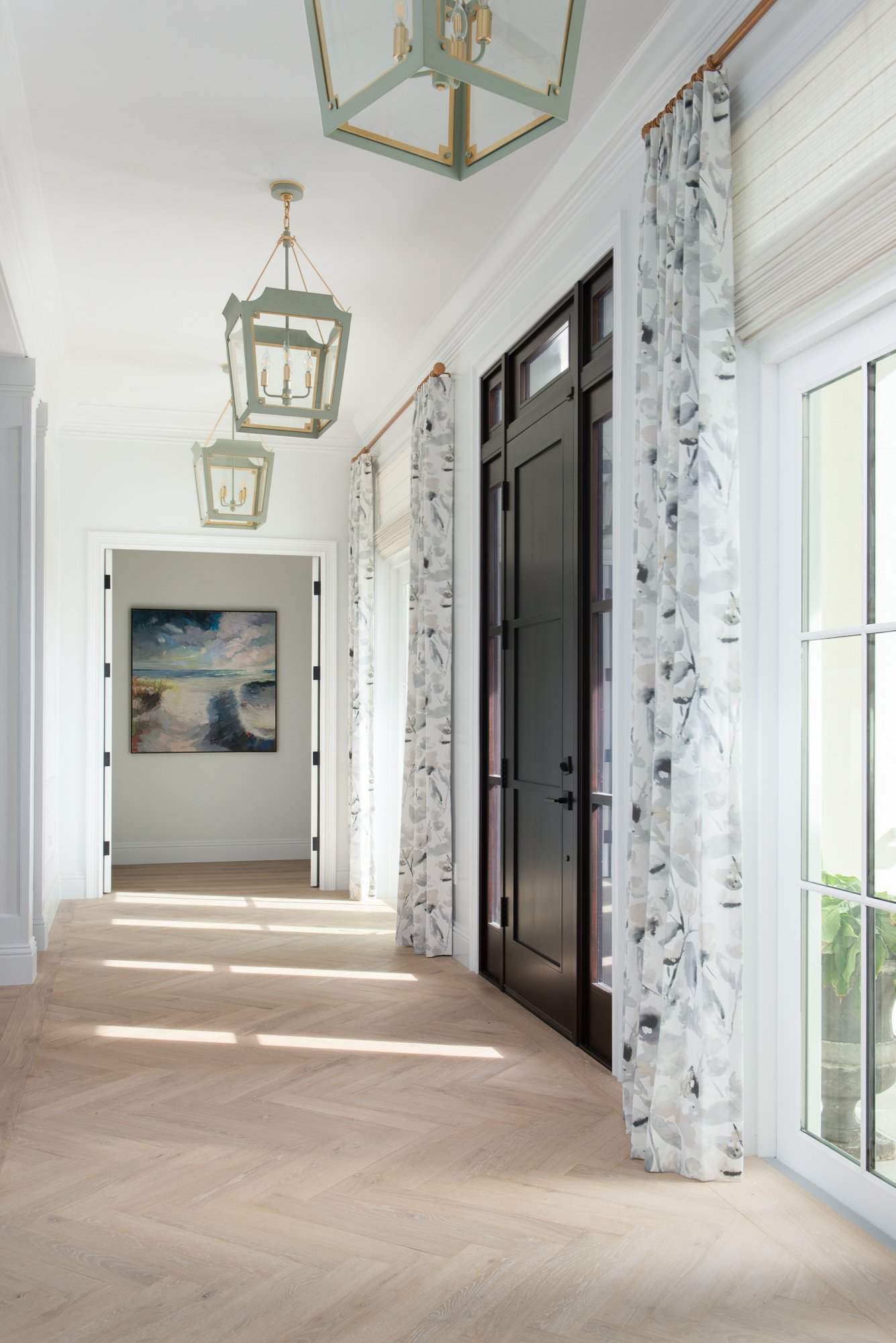
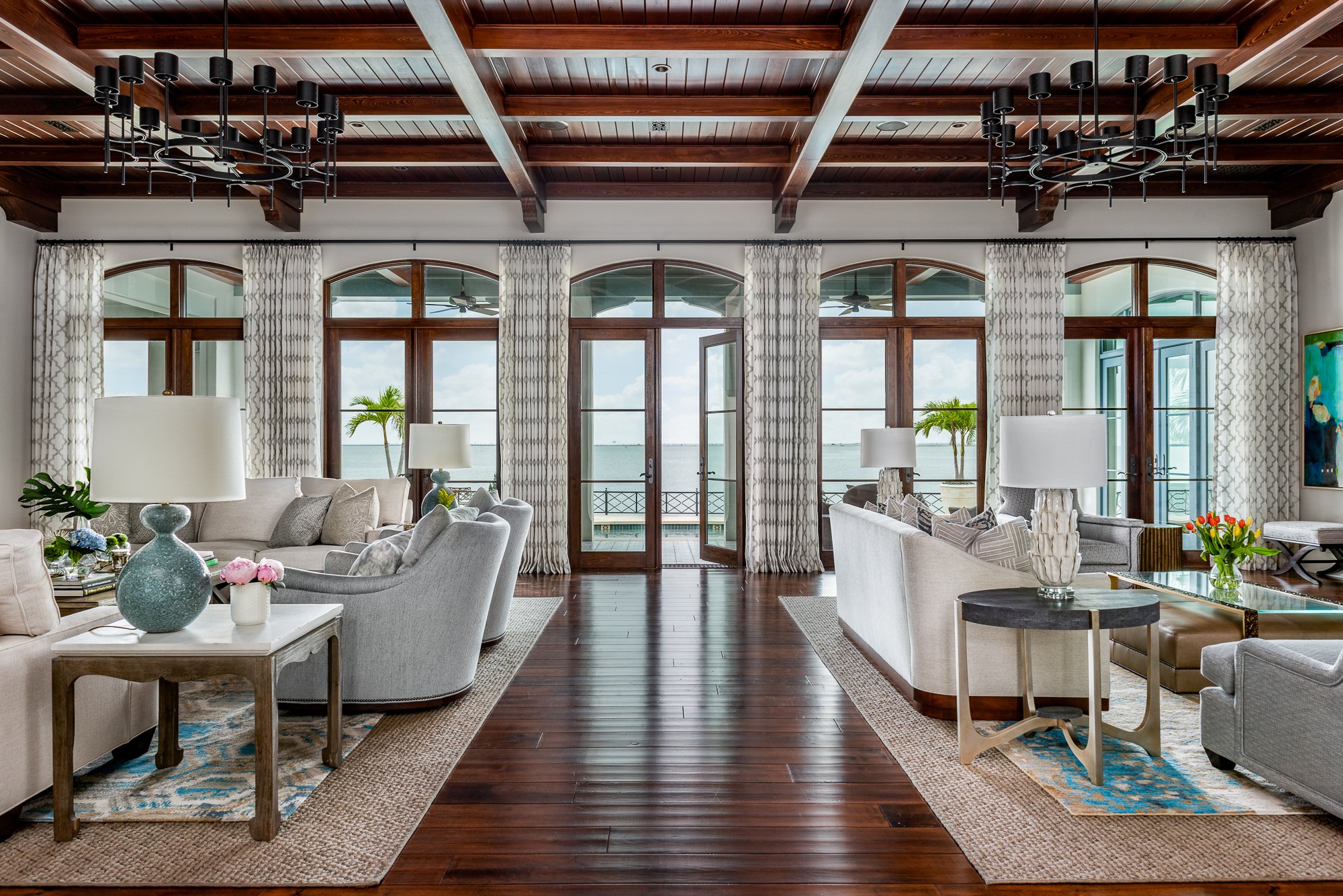
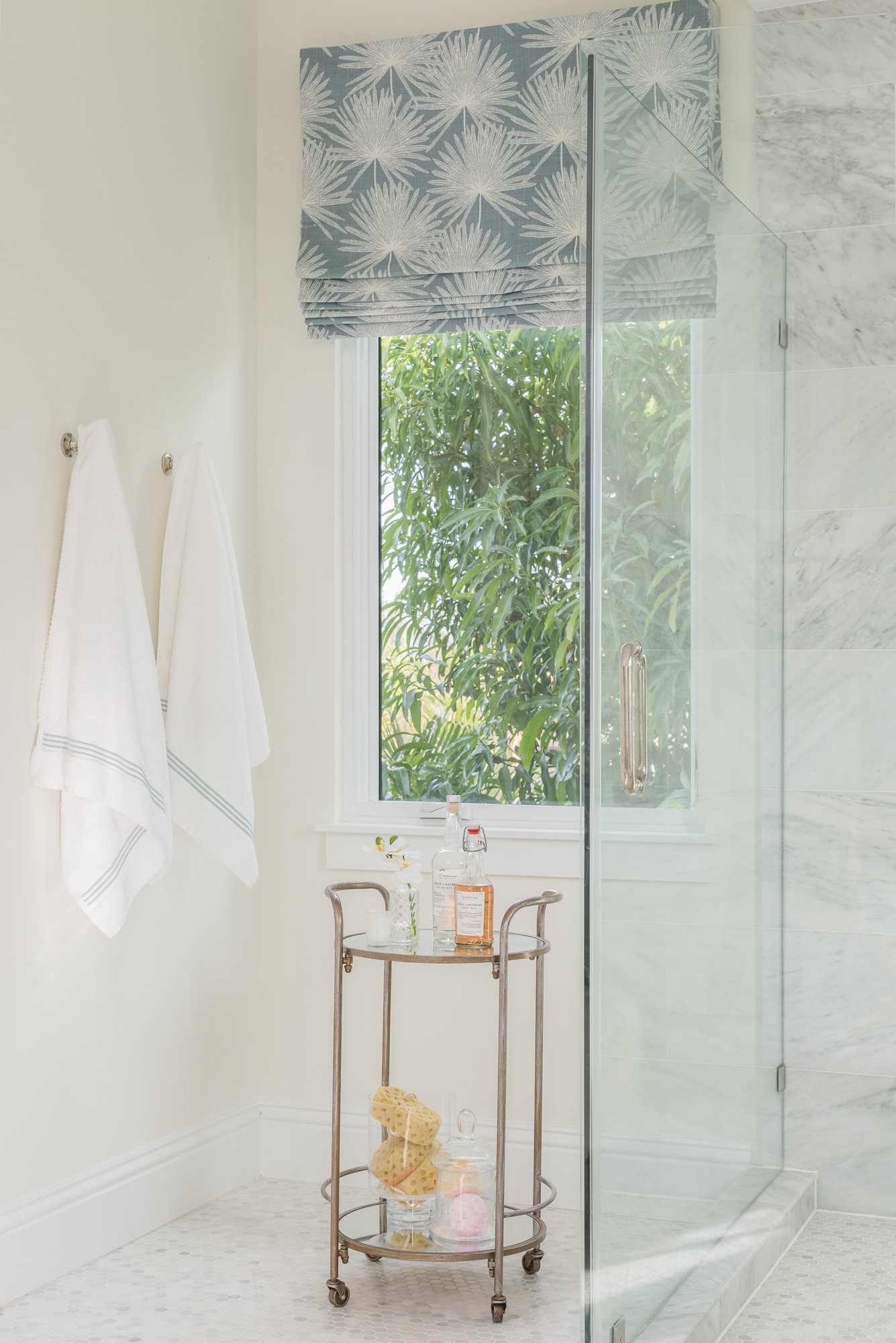
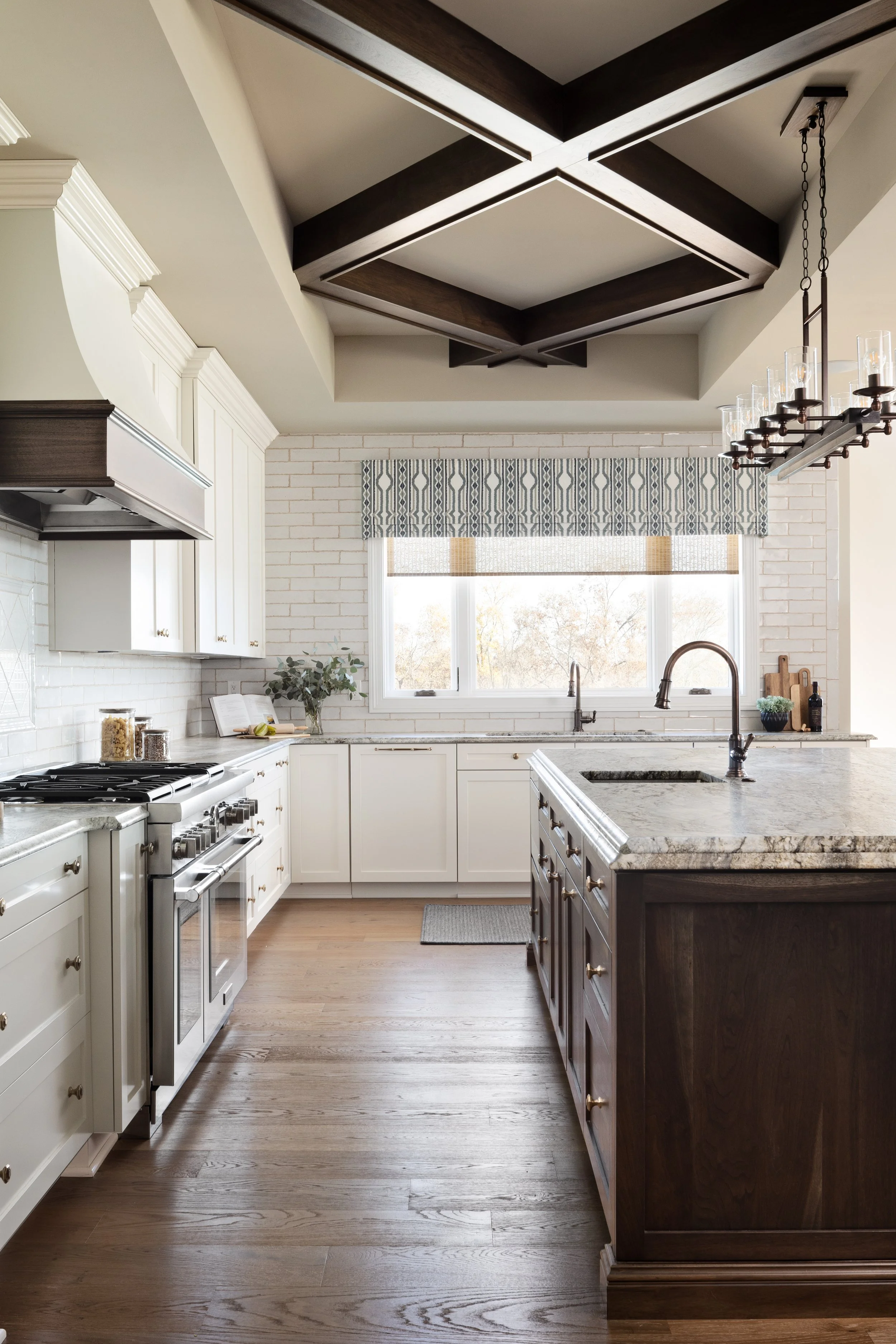
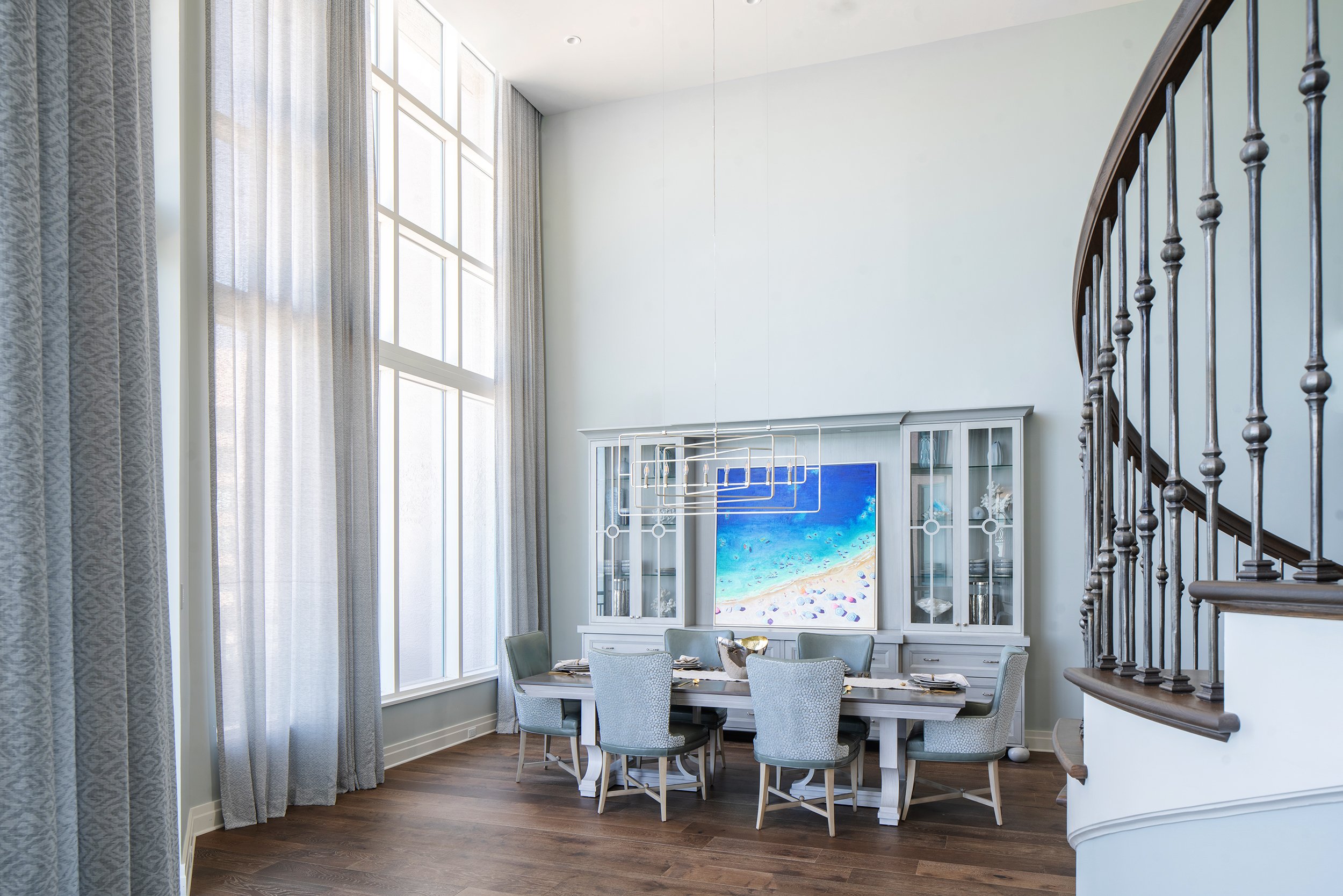
Our goal with all of our designs at Ponton Interiors is to curate all of the elements of the home to fit your personal style and aesthetic. Window treatments serve many purposes within a space. They add layers to the design, create a beautiful frame surrounding a window to the outside world, provide privacy and glare reduction, and can help to protect furniture, art, and other interior elements from the sun. Let’s take a closer look.
Style
Our window treatment styles range as much as our clients do. Styles can be affected by location, exposure to the sun, and the style of the home, as well as home owner needs. As a result, we have designed window treatments to suit many homes, ranging from traditional and transitional to coastal and contemporary.
Drapes
Floor-to-ceiling drapes can help to accentuate height within a space or create the illusion of more height by leading the eye up. In a room with shorter ceilings, mounting the drapery closer to the crown or ceiling helps to create a feeling of grandeur.
Stationary deco drapes like the ones below are designed for aesthetic purposes. They usually can’t be moved, but add layers, texture, and framing to the window.
Decorative Shades
Flat-fold roman shades are frequently used in kitchens, bedrooms, or bathrooms. They can be raised to be out of the way of food or water (or kids), but still bring in a texture and color to pull together other elements in the design. This style of Roman shade can be functioning or stationary (faux). When fully lowered, the shade looks flat. A faux Roman shade can also be used to hide a roller shade mechanism behind it.
Functional Shades
Roller shades differ in the fact that they have a more modern look and can be quite functional. In a more modern home, the roller shade is usually hidden by a metal or fabric valance, or can be recessed into the framing of the window to create a perfectly streamlined look. In a more transitional space, we like to use roller shades for their functionality (room darkening or privacy) and layer a fabric treatment over to add color and texture.
Tech Touches
Homeowners love motorized options for hard-to-reach drapes or to create programming options for ease of use. From battery-operated shades with remote control operation to fully integrated in-home automated shade and drape systems, we’ve used them all.
Motorized double-layer drapes allow for light filtering shade during the day with a view to outside, combined with the option for hotel style black out coverage for sleeping late or blocking out the city lights.
Waking up to natural light benefits our bodies as we regulate with our circadian rhythm, so drapes and shades can be programmed for optimum wake time and gradual introduction of the morning sun.
Details, Details, Details
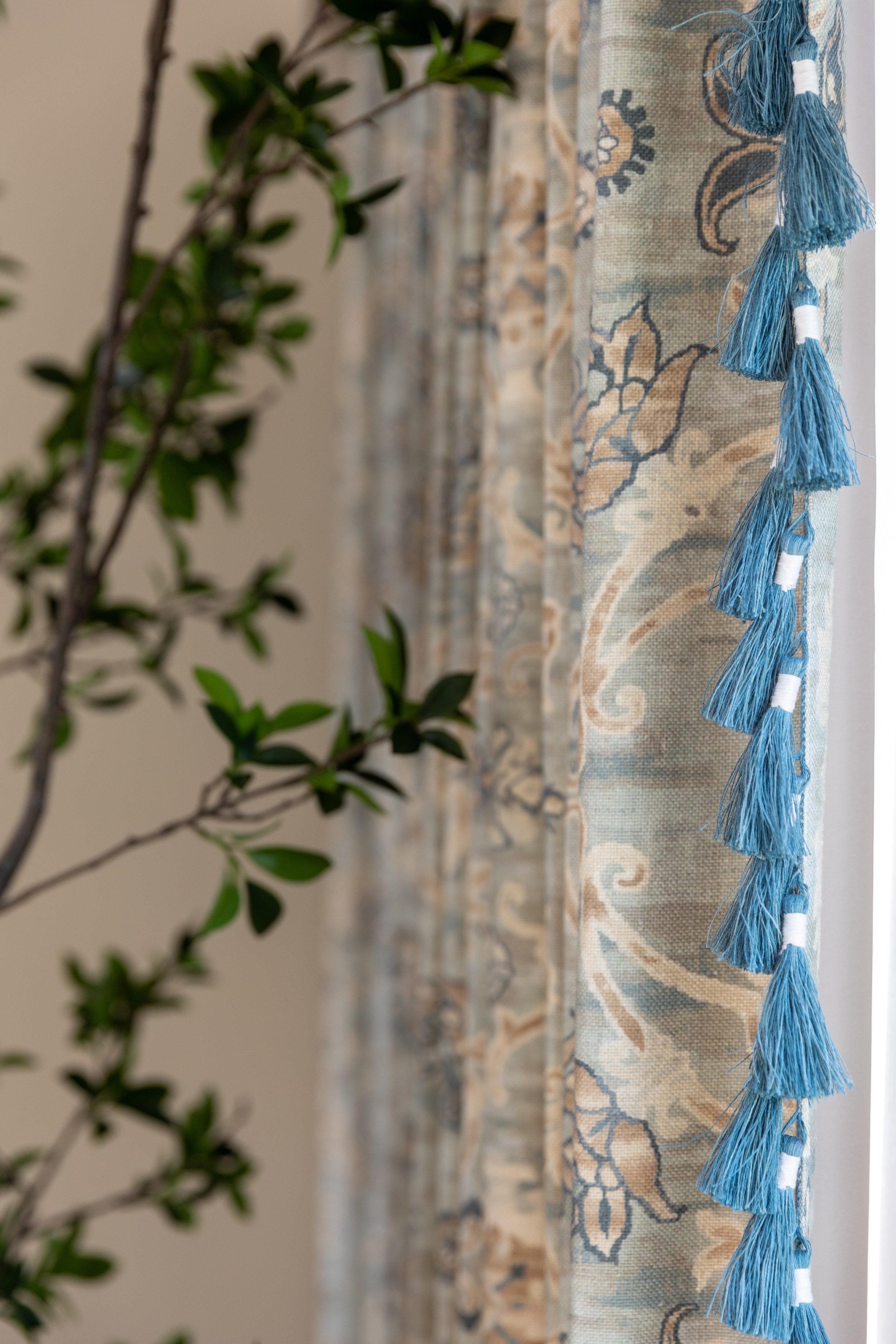
Draperies give us the opportunity to add personality and whimsical elements, dramatic features, and dynamic patterns. Adding fringe, tape, tassels, or trim to create unique styles is one of our favorite ways to add dimension to designs. These are all elements that help tie your space together.